
A HISTORY OF THE PIERS
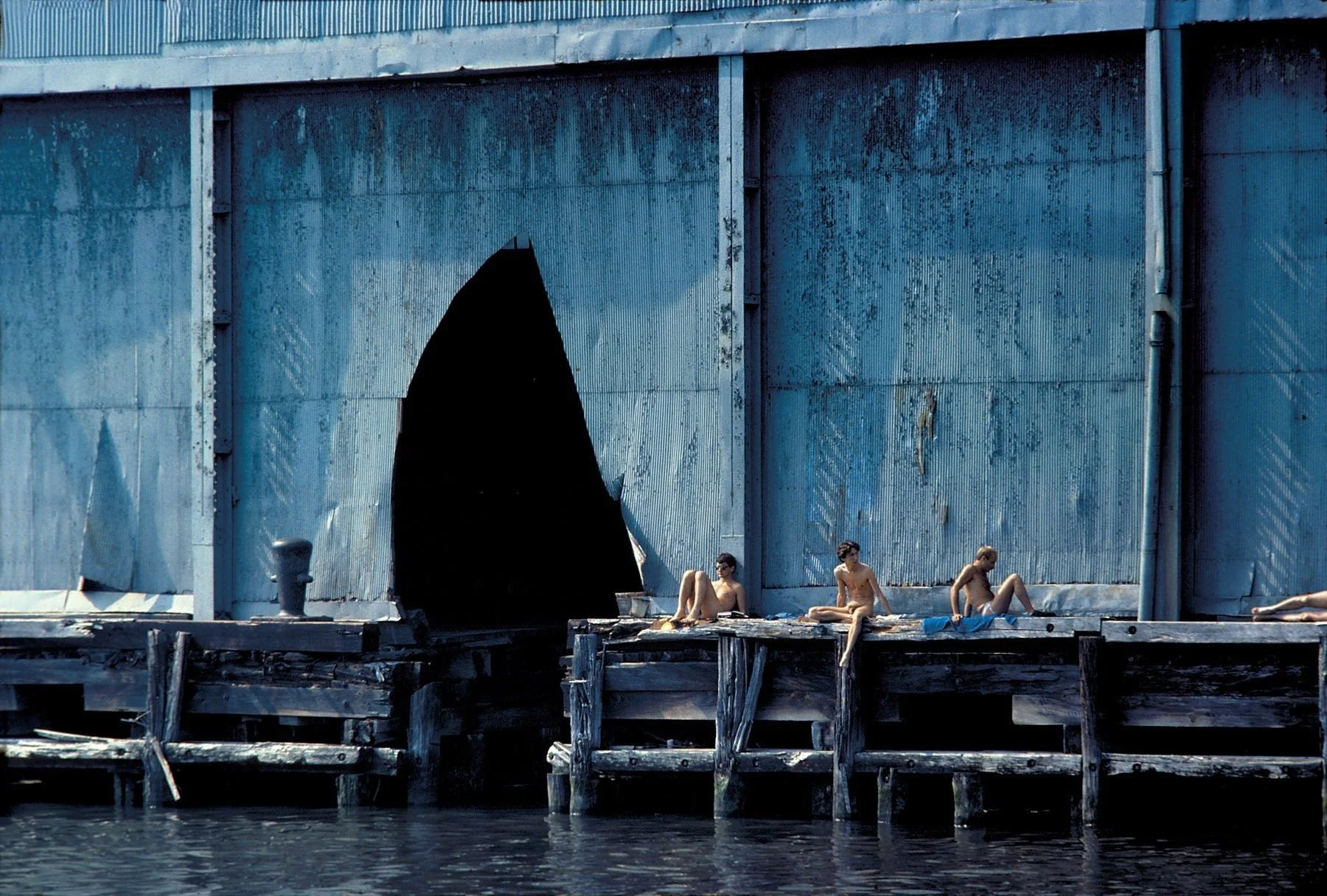
Photo: Shelley Seccombe
Originally a busy shipping terminal for cargo and trans-Atlantic passengers, the Greenwich Village waterfront fell into disuse by the mid-1960s due to the rise of air travel and containerized shipping. As the structures were abandoned, the area transformed into an "urban wilderness." After the 1969 Stonewall uprising, it became a primary destination for gay men. By the 1970s, the decaying piers served as a "city within a city," offering a rare space where gay men could congregate in the daylight away from police scrutiny.
From industrial port to “Urban Wilderness”
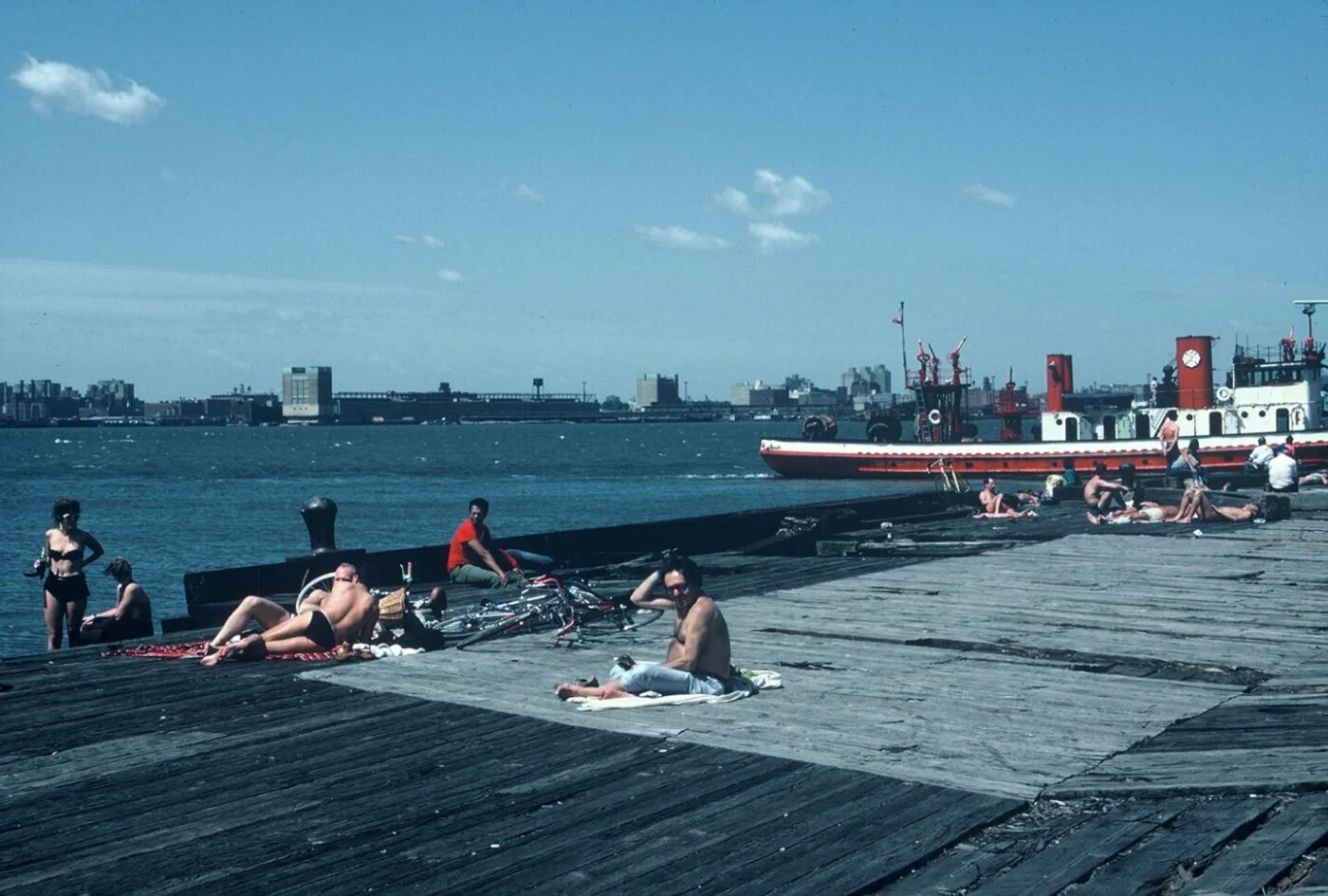
Photo: Vernon Merritt
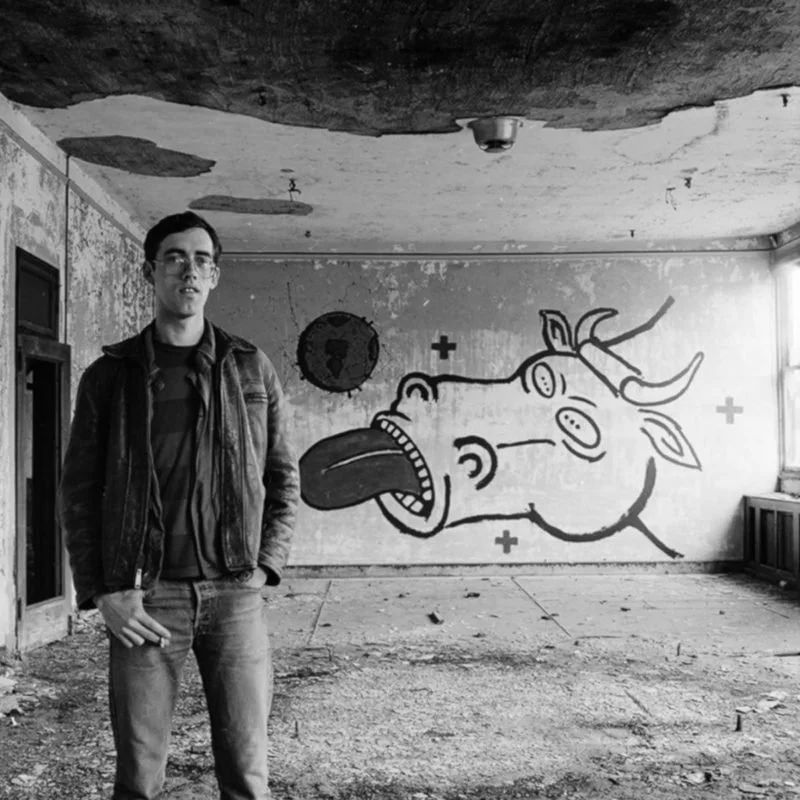
Photo: Peter Hujar
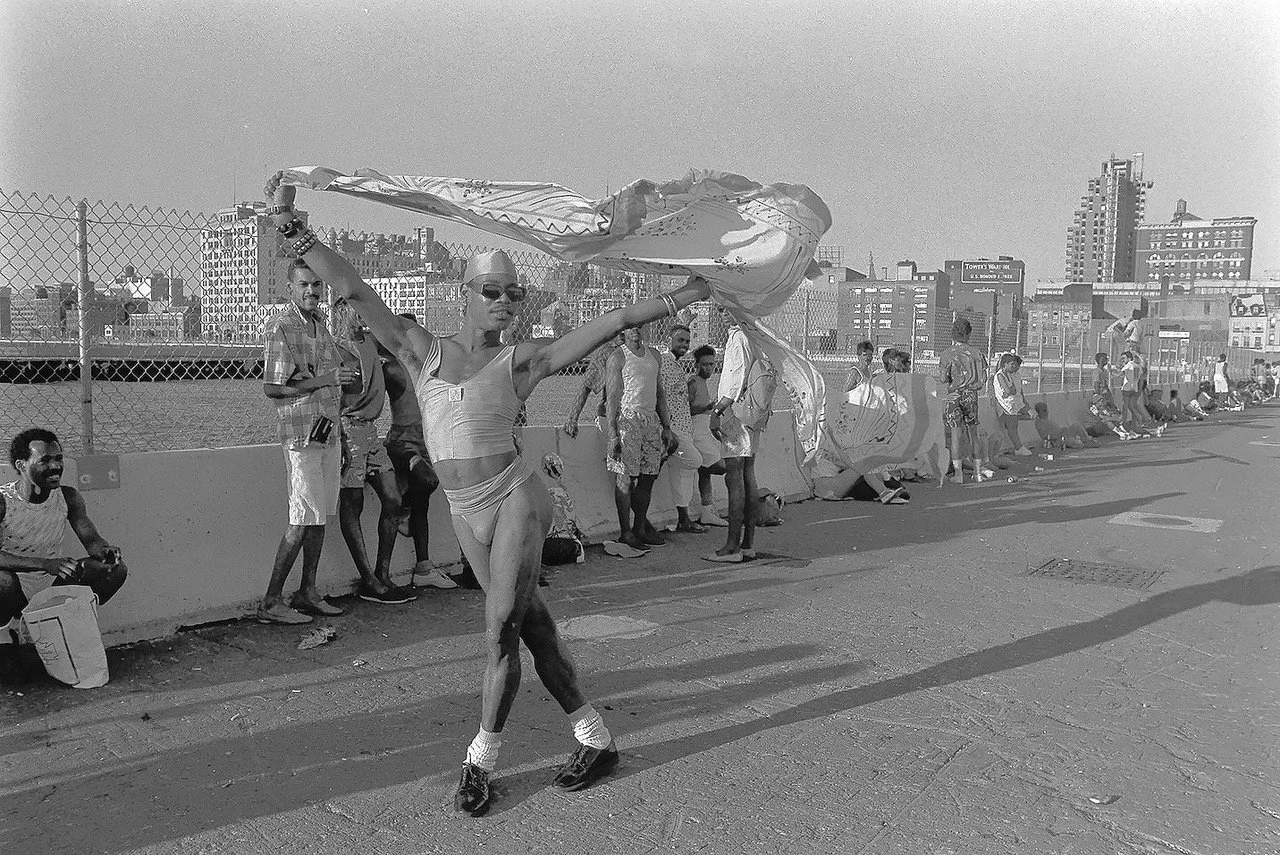
Photo: James Cuebas
Artistic and Sexual Freedom
Between 1971 and 1983, the piers became a hub for the downtown arts scene. The cavernous, ruin-like terminals hosted site-specific installations and impromptu galleries. Notable works included Gordon Matta-Clark’s Day’s End (1975), for which he cut massive openings into the shed of Pier 52 to let in light, and the murals of David Wojnarowicz, who once declared the abandoned Pier 34 "the real MoMA". Photographers such as Alvin Baltrop, Peter Hujar, and Stanley Stellar documented this era extensively, capturing the intersection of "grit and glamour," public sex, and community formation that defined the space.
Refuge for marginalized youth
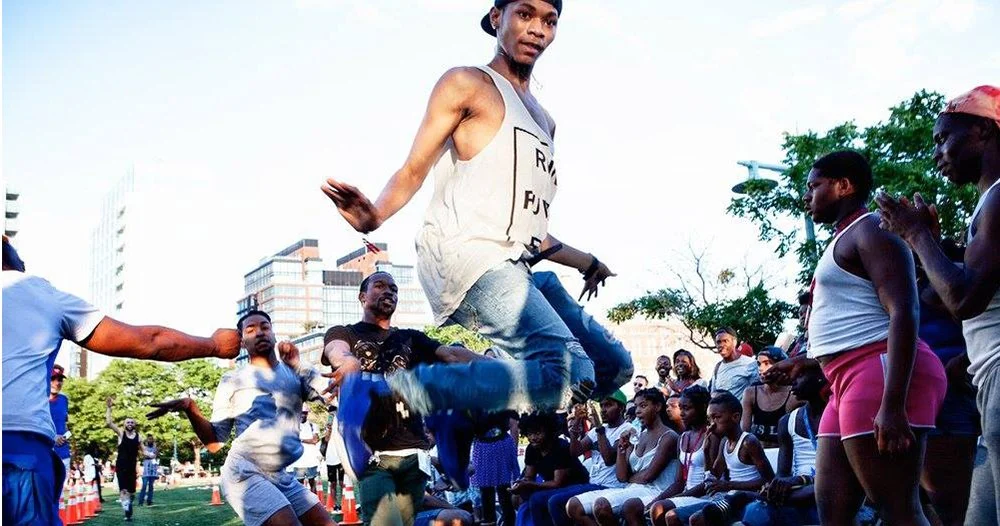
As the AIDS epidemic emerged in the 1980s and the demographics of the West Village shifted, the piers became an essential refuge for marginalized queer youth of color and transgender individuals, many of whom were homeless. Prominent activists Sylvia Rivera and Marsha P. Johnson, founders of Street Transvestite Action Revolutionaries (STAR), established a presence there to support the homeless youth population; Rivera famously lived on the piers herself during the mid-1980s. The piers' significance to this community was documented in the seminal 1990 film Paris Is Burning. Tragedy also marks this period; in 1992, Marsha P. Johnson’s body was found floating in the Hudson River off the Christopher Street Pier.
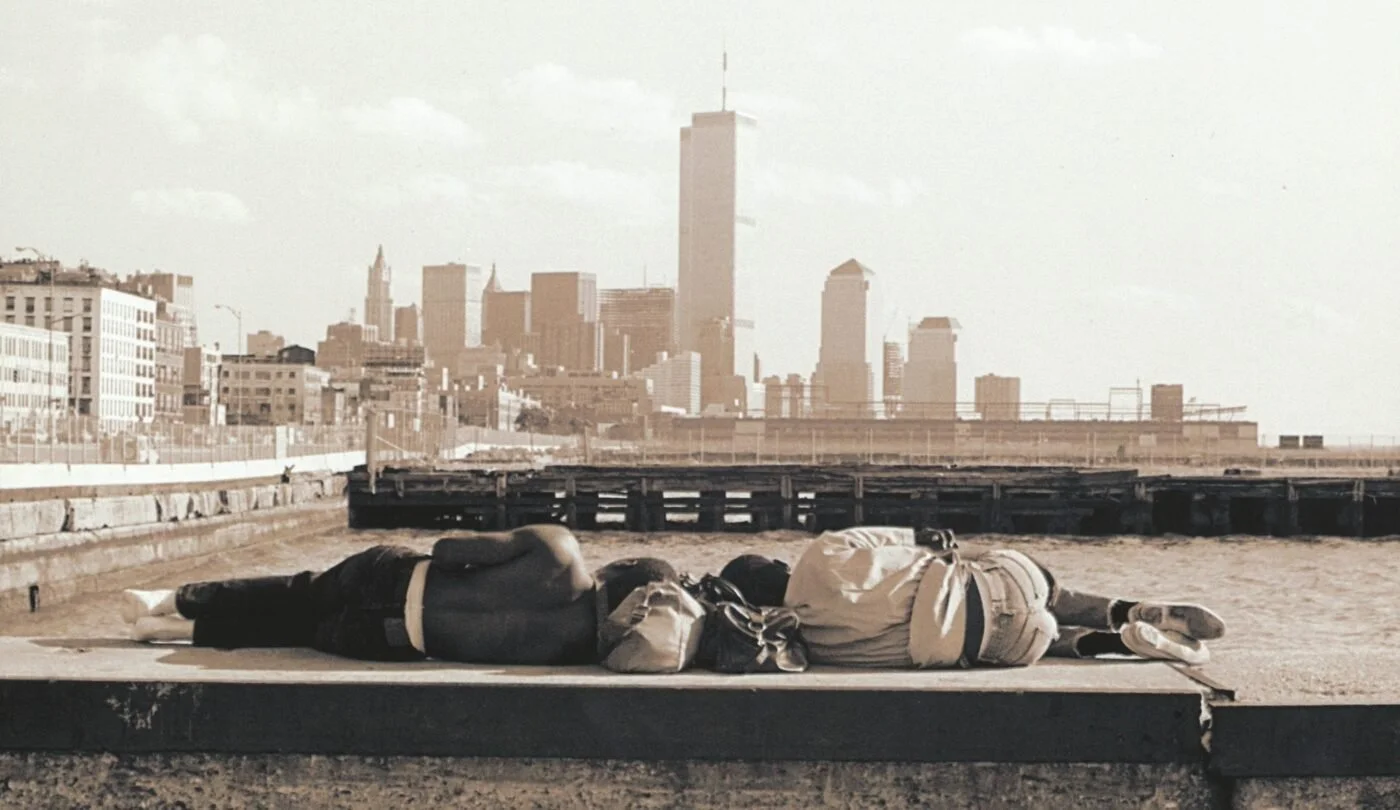
Photo: James Cuebas
Gentrification and activism
In the 1990s, city plans to redevelop the waterfront into Hudson River Park threatened to displace the community that regarded the pier as a safe haven. This catalyzed the formation of the organization FIERCE (Fabulous Independent Educated Radicals for Community Empowerment) in 2000, led primarily by LGBTQ youth of color, which campaigned to ensure the renovated spaces would remain accessible and safe for queer youth.
Today, while much of the physical "grit" has been sanitized, the Christopher Street Pier remains a culturally significant gathering place for LGBTQ youth.